
On-trade execution audit: see the outlet before you visit
An outlet execution audit checks what is physically in a bar, cafe or restaurant (coolers, a soda fountain, branded POS material (POSM) and the brands on the shelf) without sending anyone in, read by AI from date-stamped public photos across 20M+ venues in 60+ countries. POSM: the branded taps, fridges, parasols and glasses in a venue. Across London, 74% of bars and pubs show branded drinks material in their photos, against 23% of restaurants. Every read comes with the photo and its date, so you see where you can win (a cooler open to claim, a rival's material standing alone) before you walk in.
The trusted intelligence layer for teams selling to Hospitality & Retail








Is my cooler still there, and whose is standing next to it?
Field execution is the part of the job nobody can see from a desk. A cooler placed two years ago may now hold a competitor's cans. A new tap handle may have gone up on the bar. A venue you never sold to may already carry a full set of a rival's parasols and glassware.
The classic answer is a store audit: someone visits, takes photos and fills in a form. That is slow, it covers the accounts you already visit, and it says nothing about the outlets you do not.
Guests, owners and the venues themselves post photos of the bar, the fridge and the terrace all the time. Dashmote attaches those public photos to the outlet record, with the date each one was taken, and AI reads the coolers, logos and tap handles in them. You get an execution view of the outlets in your territory, accounts and prospects alike, before anyone gets in the car.
Public photos and your reps' photos: one read
A remote audit starts from public photos, and it does not have to stop there. Two sources feed the same read: the public photos of the outlet, and the photos your reps take on store visits. Reps' photos can be added to the outlet and are read the same way, and every finding keeps its source and photo date, so you can tell what the public sees from what your team saw on the visit.

A remote audit, step by step
Here is what an execution audit looks like without the visit. The photos on this page are public venue photos of pubs in and around London Soho; photos your reps take on store visits are read the same way.
- 1
Collect the public photos
The front, the bar, the terrace: guests, owners and venues post them all the time. Each one is attached to the outlet record with the date it was taken.
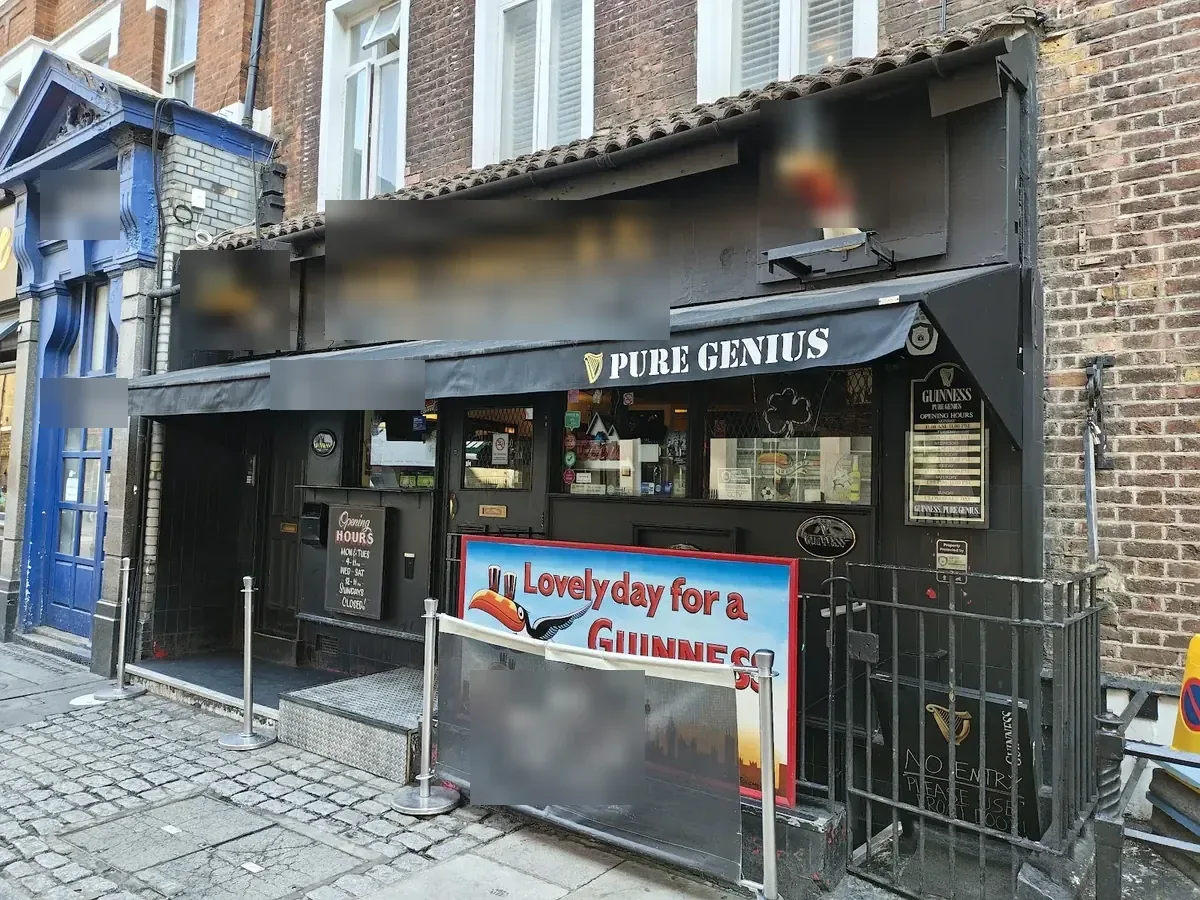
Awning, banner and board: Guinness (Diageo) detected 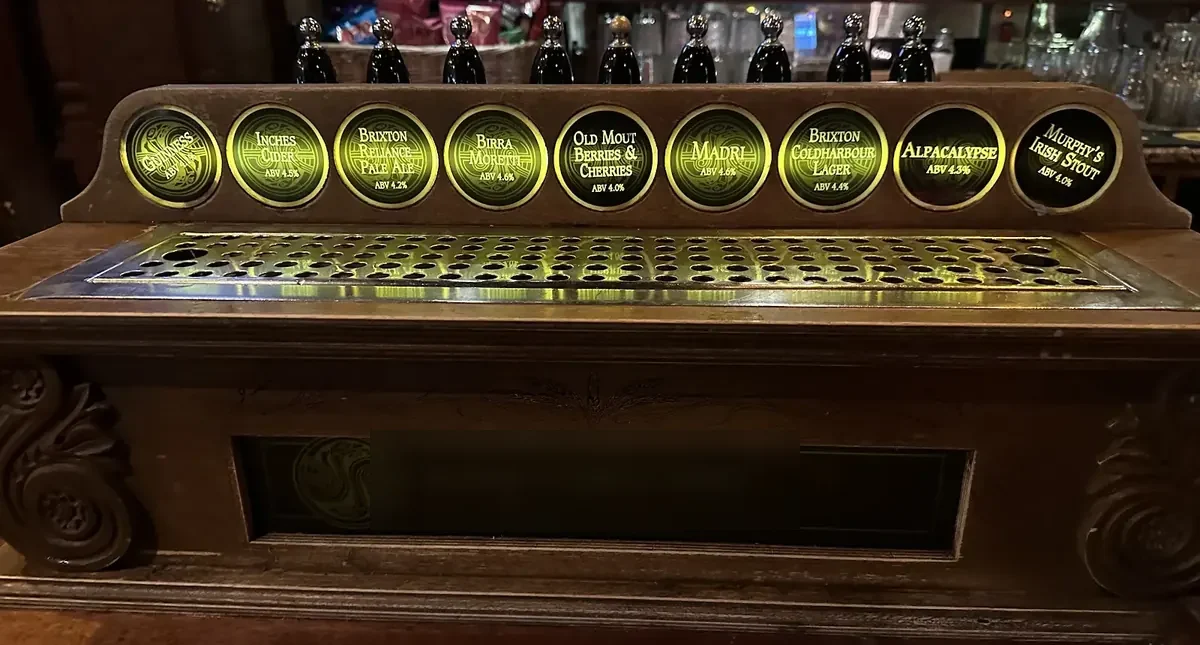
Beer fonts: 7 brands from 3 owners detected 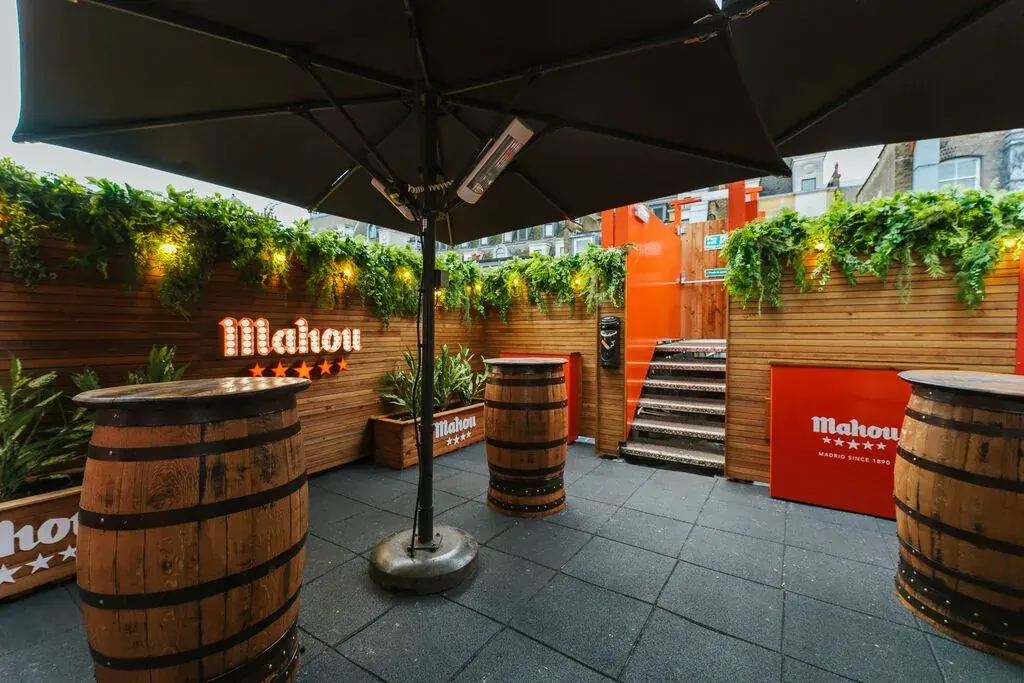
Branded terrace: Mahou (Mahou San Miguel) detected - 2
Read what is in them
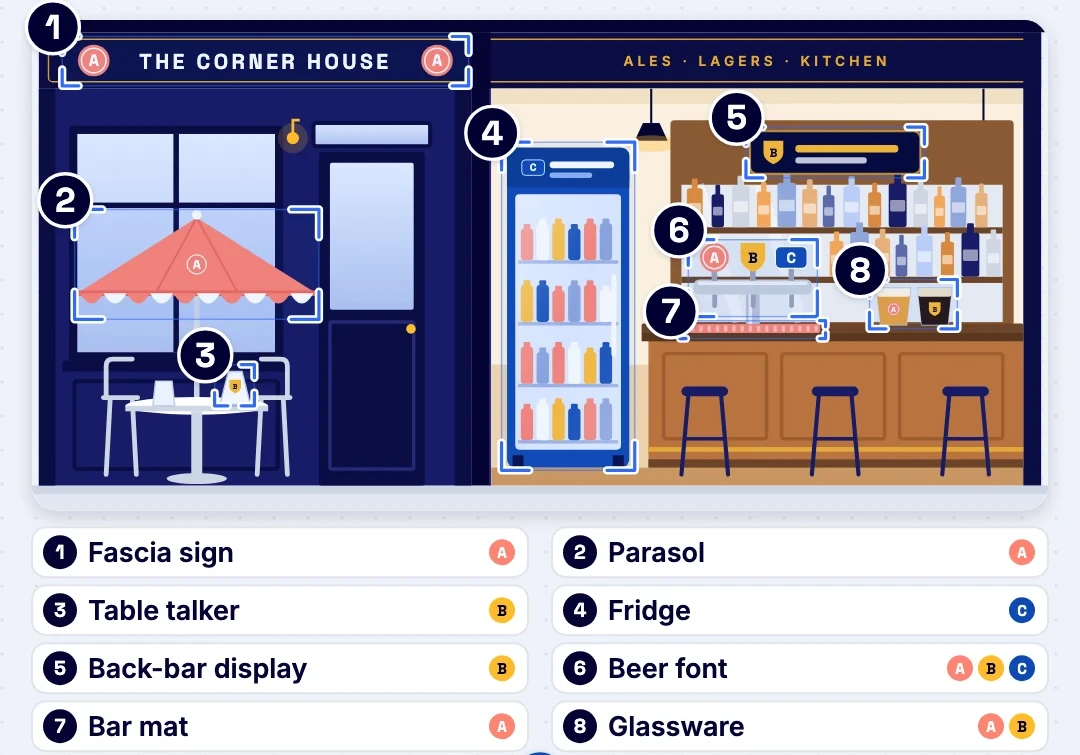
Every branded object is found and named with its brand and the company that owns it: here a Coca-Cola fridge behind the bar, a Heineken bar mat and a Birra Moretti coaster on it.
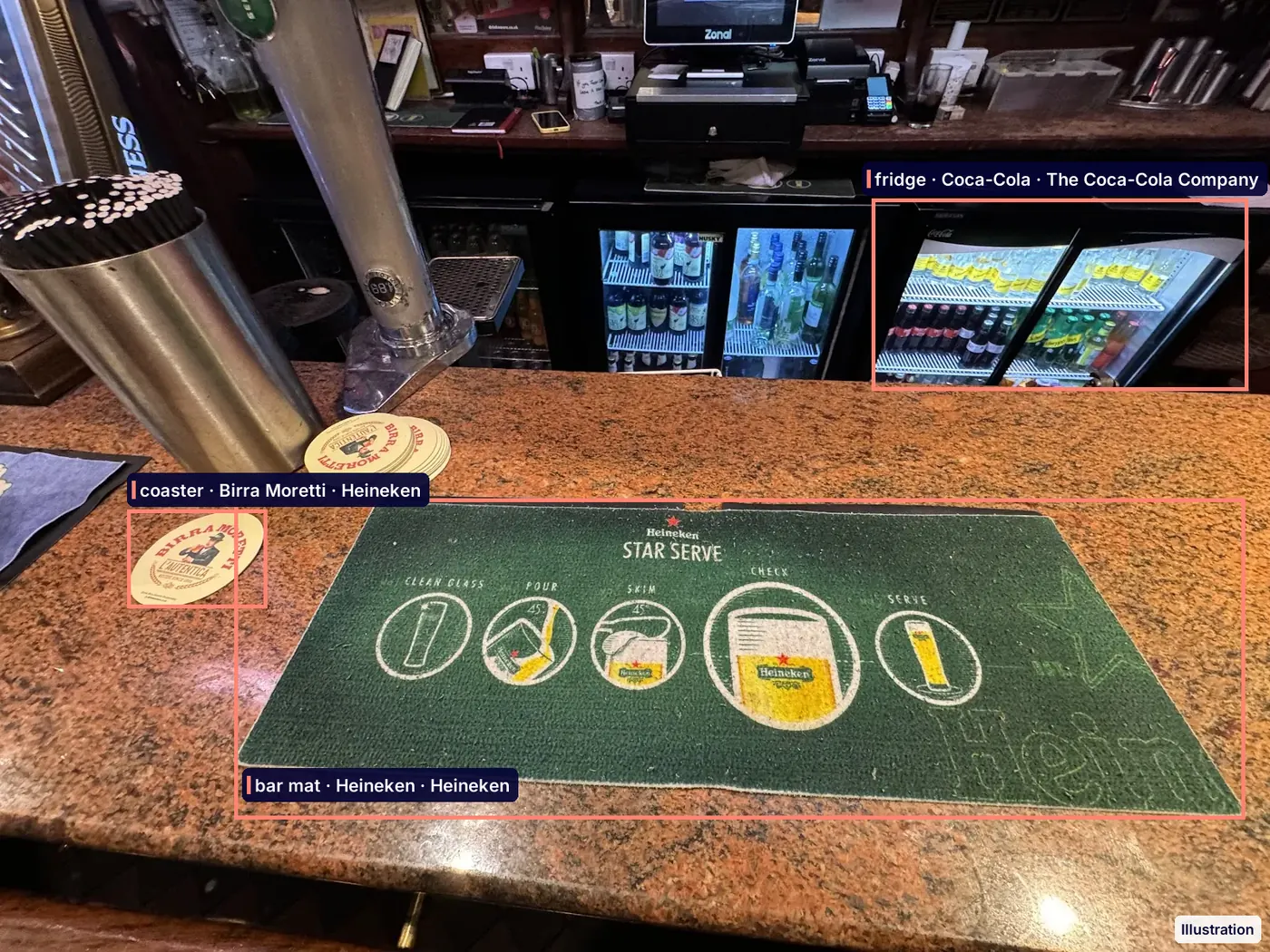
Illustration: fridge, bar mat and coaster detected, 3 brands from 2 owners - 3
See it on the outlet profile
The reads land on the outlet profile, brand by brand, with the objects seen and the month of the latest photo. Before the visit you know whose bar it is.
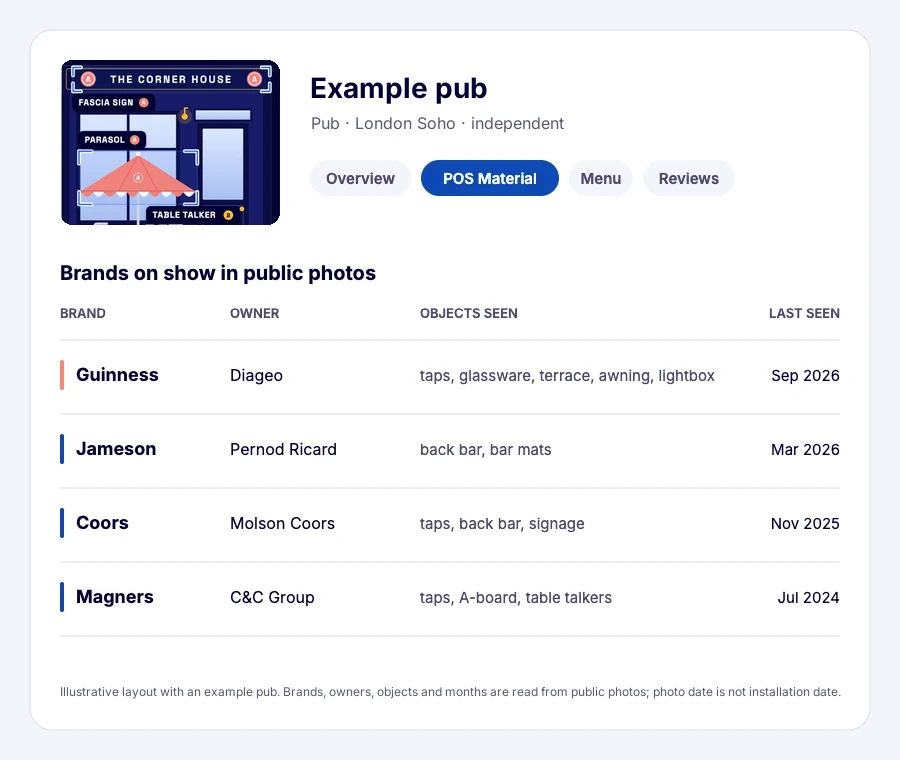
Illustrative layout of the outlet profile
One public photo, four reads
Each photo is read for four kinds of execution evidence. Every read keeps the photo it came from and the photo date, and old evidence is left out, so a cooler seen years ago does not count as a cooler today.
| Read | What you see per outlet | Go deeper |
|---|---|---|
| Cooler | Whose fridge it is, and which coolers carry no brand and are open to claim | Cooler detection |
| Fountain | Dispensed-drink set-ups and whose branding is on the machine | Soda fountain outlet data |
| POSM | Signage, tap handles, glassware, table tents, banners and branded furniture, by brand | POS Material Detection |
| Inventory | The brands stocked inside the cooler and on the shelf, not just the logo on the door | On-premise brand tracking |
The four reads sit on the same outlet record as the menu, delivery listings, reviews and the lead score, so you can combine them: high-fit venues with a competitor's cooler and none of your material, for example.
Pubs and restaurants: two different execution maps
Run the same read across a city and the channels separate. Across London, about three in four bars and pubs show branded drinks material in their public photos, against about a quarter of restaurants. Diageo, almost all of it Guinness, is in about 55% of bars and pubs and leads them; in restaurants, Coca-Cola leads, and about three in four show no drinks-branded material in their photos: open ground rather than a switch.
Share of venues whose public photos show each company's branded drinks material: bars and pubs, and restaurants outside the big chains, across London's 33 boroughs, weighted to all of London, 2026 data. Visibility in photos, not sales.
Borough by borough: restaurants are open ground
Coca-Cola leads the restaurants of about three in four London boroughs, but only in Camden is its lead clearly larger than sampling noise. Elsewhere its lead is narrow, and in the remaining boroughs another company leads, narrowly, among them Molson Coors in Sutton, Harrow and Croydon and AB InBev in the City of London and Hackney. No brand owns London's restaurants the way Guinness owns its bars. Borough samples are small, so read the borough figures as indicative.

How reps use it in a normal week
Execution reads work as filters, columns and evidence, the same way as every other field in Dashmote. The photo research is done before you leave the office, so the week goes to time with owners.
- Build a conversion list. Filter on a competitor's cooler or tap handle and no material of yours. That is a list of venues where the category already sells and the pitch is a switch.
- Find space to claim. Filter on unbranded coolers in outlets that score well on your model. An empty, unbranded fridge is an easier first placement than a branded one.
- Check your own estate. Sort your current accounts by the latest photo and see where your cooler, fountain or signage is still visible, and where it no longer shows.
- Walk in with proof. Open the outlet profile before the visit and show the owner the dated photo. "Your terrace shows a rival's parasols since spring" is a better opener than "How is business?"
- Brief the key account team. For group-run venues, export the execution reads per location and hand them to whoever talks to head office.
Worked example: six outlets in one city district
Take a rep selling a soft drink brand who filters one city district on high-fit outlets with recent photos. One rival brand is the main competitor.
| Outlet | Cooler | Fountain | POSM | Inside the cooler | Next step |
|---|---|---|---|---|---|
| Burger bar | Rival | Yours | Rival menu board | Rival, a third brand | Defend the fountain, pitch a second cooler |
| Cafe | Unbranded | None seen | None seen | Mixed brands | Offer a branded cooler |
| Pub | Yours | None seen | Your tap handle | Yours, rival | Current account: fix the mixed cooler |
| Pizzeria | Rival | Rival | Rival table tents | Rival | Long-term switch, note the contract date |
| Hotel bar | None seen | None seen | Third-brand glassware | Not visible | No cooler photo: ask on the visit |
| Kebab shop | Unbranded | None seen | None seen | Rival | Quick win: claim the cooler |
Two outlets with an unbranded cooler go to the top of this week's visit list. The pub gets a call about cooler space, and the pizzeria goes on a list for later.
What a photo can and cannot tell you
Execution reads are evidence, not a census. An outlet with no recent public photo of its bar or fridge shows nothing for that read, which means "not seen", never "not there". That is why every read carries its photo and date: you can check it in a second, and the visit confirms the rest.
Execution reads: available in selected markets. Ask us about yours.
Frequently asked questions
What is an outlet execution audit?
An outlet execution audit checks how a brand is present inside an outlet: equipment such as coolers and fountains, branded POSM and the products on the shelf. Dashmote does this from date-stamped public photos, so you see it for prospects as well as accounts, without a store visit.
What does an execution audit show for London?
Across London, about three in four bars and pubs (74%) show branded drinks material in their public photos, against about a quarter of restaurants (23%). Guinness (Diageo) leads the bars and pubs, Coca-Cola the restaurants. See who owns the bar in London.
Where do the photos come from?
The photos are public venue photos posted by guests, owners and the venue itself, attached to the outlet record with the date they were taken. Old photos are excluded from the execution reads, so a read reflects how the outlet looked recently. Photos your reps take on store visits can be added too, and are read the same way.
Does this replace store visits?
No, it decides which visits are worth making and what to say on them. Reps go to the outlets where the photos show a gap or a risk, with the photo to show the owner.
What if an outlet has no photos?
An outlet with no recent public photo shows no execution read, which means not seen rather than not there. You still have its menu, reviews, delivery listings and lead score, and the visit fills the gap.
Can I see my competitors' coolers and POSM?
Yes, every read is by brand, so you see your own equipment and material and a competitor's in the same view, and you can filter on one without the other.
Is this available in my country?
Execution reads are available in selected markets. Ask us about yours; the outlet records they sit on cover 60+ countries.
Related reading
For sales leaders: the business case
Execution data that used to need a visit is now available for the whole territory before the visit.
- Audits without the travel. See cooler, fountain and POSM status across accounts and prospects from the office, and send people only where action is needed.
- Equipment that earns its place. Find coolers and fountains that now carry a competitor's products, and unbranded ones open to claim, so placement budget goes to the right doors.
- Evidence in every conversation. Each read comes with a dated photo, so reps, key account managers and trade marketing argue from the same facts.